
What Is Colocation?
Learn how colocation works, what’s included, and why businesses use data centres to house their servers.
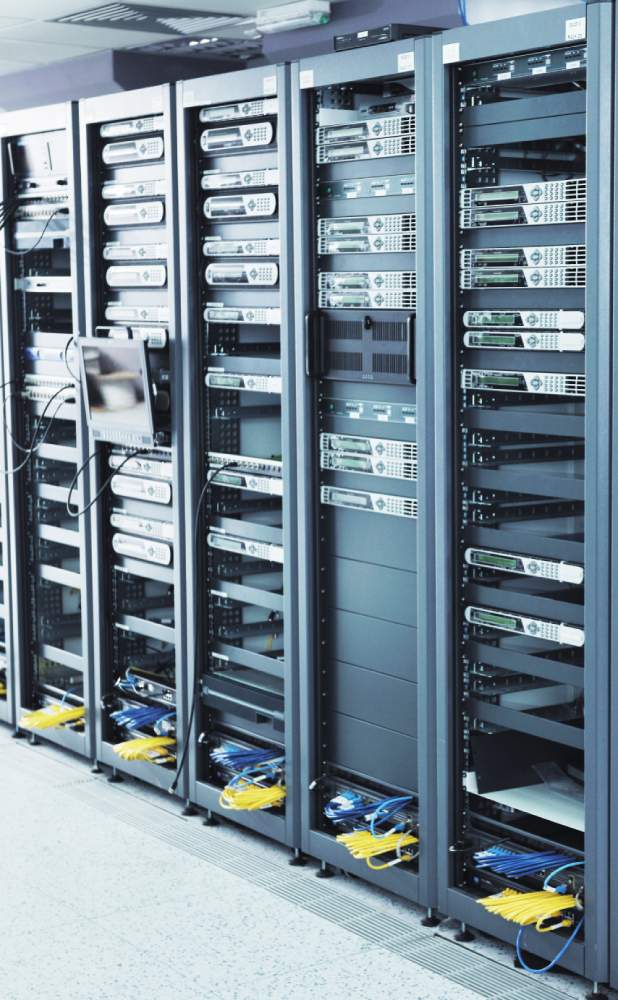
Colocation Hosting is a service in which businesses have their own servers and networking equipment housed within a professional data center rather than in their office or own server room.
The facility is responsible for providing the important systems with power, cooling, carrier-neutral connectivity, and physical security. This helps keep systems operating around the clock while you still have ownership of the hardware.
This is a compromise between on premise hardware and cloud hosting, providing businesses with complete control of their hardware and enterprise-grade data center reliability.
Colocation hosting offers a cost effective alternative to in house data center infrastructure for businesses in Kitchener-Waterloo, Toronto and throughout Ontario, offering them the option to scale up their data center needs as they grow.
What Is Colocation Hosting?
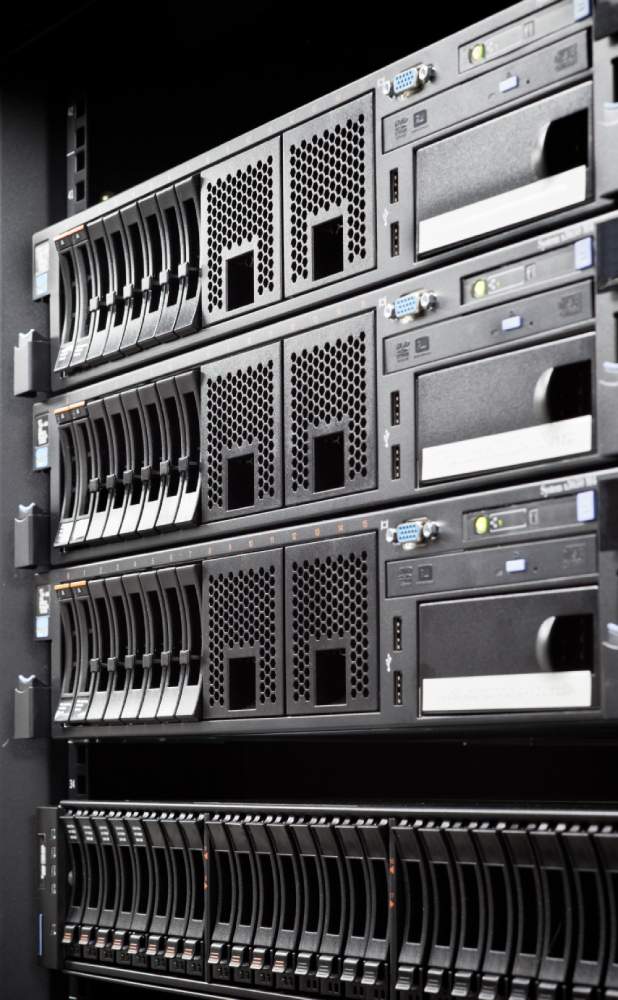
Colocation involves having your servers housed in a shared, professionally managed data center facility.
You own and manage the hardware, while the provider supplies:
- Secure rack space
- Redundant power
- Cooling systems
- Carrier-neutral connectivity
- Physical security
This is the difference between colocation hosting and conventional web hosting:
- Web hosting is a service where you lease a server.
- Colocation means that you own the server and control the environment that it runs in.
What Does Colocation Mean?
Colocation is just the fact that your equipment is housed within a professional data center with other businesses.
You are not renting a server – you are renting infrastructure space and services.
This includes:
- data center rack space
- power and cooling systems
- network connectivity options
- secure facility access
This offers more control, better performance and flexibility than traditional hosting.
How Does Colocation Hosting Work?
You deploy your servers in the data center where they and place them in your rack space.
Once deployed, your equipment is plugged into:
- redundant power systems
- cooling infrastructure
- carrier-neutral internet providers
Thereafter, you control it from a distance with your own tools and remote access.
For tasks that require physical work, such as hardware swaps, cabling or reboots, remote hands services can be used.

What’s Included in Colocation Services?
A colocation service includes everything required to run your infrastructure reliably.
What is a Server Rack and a Rack Unit (U)?
A server rack is a standard metal frame used to hold servers and networking equipment.
Rack space is measured in rack units (U):
1U = 1.75 Inches
Full rack = up to 42U capacity
Colocation VS Cloud VS Dedicated VS On-Premise
| Option | Ownership | Facility Operator | Best Use Case |
|---|---|---|---|
| Colocation | You own hardware | Data center | Long-term infrastructure control |
| Cloud hosting | Provider owns hardware | Provider | Scalable workloads |
| Dedicated hosting | Provider owns hardware | Provider | Single-tenant servers |
| On-premise | You own everything | You | Full internal control |
Colocation is perfect for businesses who want to have full control of their hardware and benefit from the reliability of data centers.
Managed VS Unmanaged Colocation
Unmanaged Colocation
Unmanaged colocation supplies the core infrastructure only, including: racking, power, cooling, and connectivity.
Managed Colocation Services
Managed colocation services provide technical support and remote hands services to physically maintain the colocation space.
This enables any size IT team to run in a professional data center environment, even without onsite people.
Who Uses Colocation?
Colocation services are used by:
- Small and medium businesses upgrading from server rooms
- Technology startups scaling infrastructure
- AI and GPU compute workloads requiring high-density power
- Cryptocurrency mining operations
- Game hosting providers requiring low-latency performance
- Regulated industries needing secure infrastructure

Benefits of Colocation